
5 tips for a smooth cataract surgery recovery
What to expect after cataract surgery
Cataracts are an incredibly common condition, affecting over 65 million people worldwide. In fact, cataracts are the leading cause of blindness globally, responsible for 39% of cases of blindness around the world. Cataracts typically occur from a person’s 60s onwards and worsen with age. Over 450,000 people in the UK undergo cataract treatment each year, during which the cataracts are removed and an artificial lens is placed into the eye. This is a very simple outpatient procedure and patients are free to recover from the comfort of their own homes after treatment.
You can find out more about how cataract surgery works here on our website, as well as discovering the symptoms of cataracts and at which point you should seek treatment. In this blog post, we’re going to cover cataract surgery recovery, share our 5 top tips for a fast, smooth recovery, and go over some of the most common FAQs from our cataract patients. Send us an email to enquiry@optimax.co.uk if you’ve got a question we haven’t covered, and one of our customer service advisors will be in touch to provide the information you need.
1. Attend your aftercare appointments
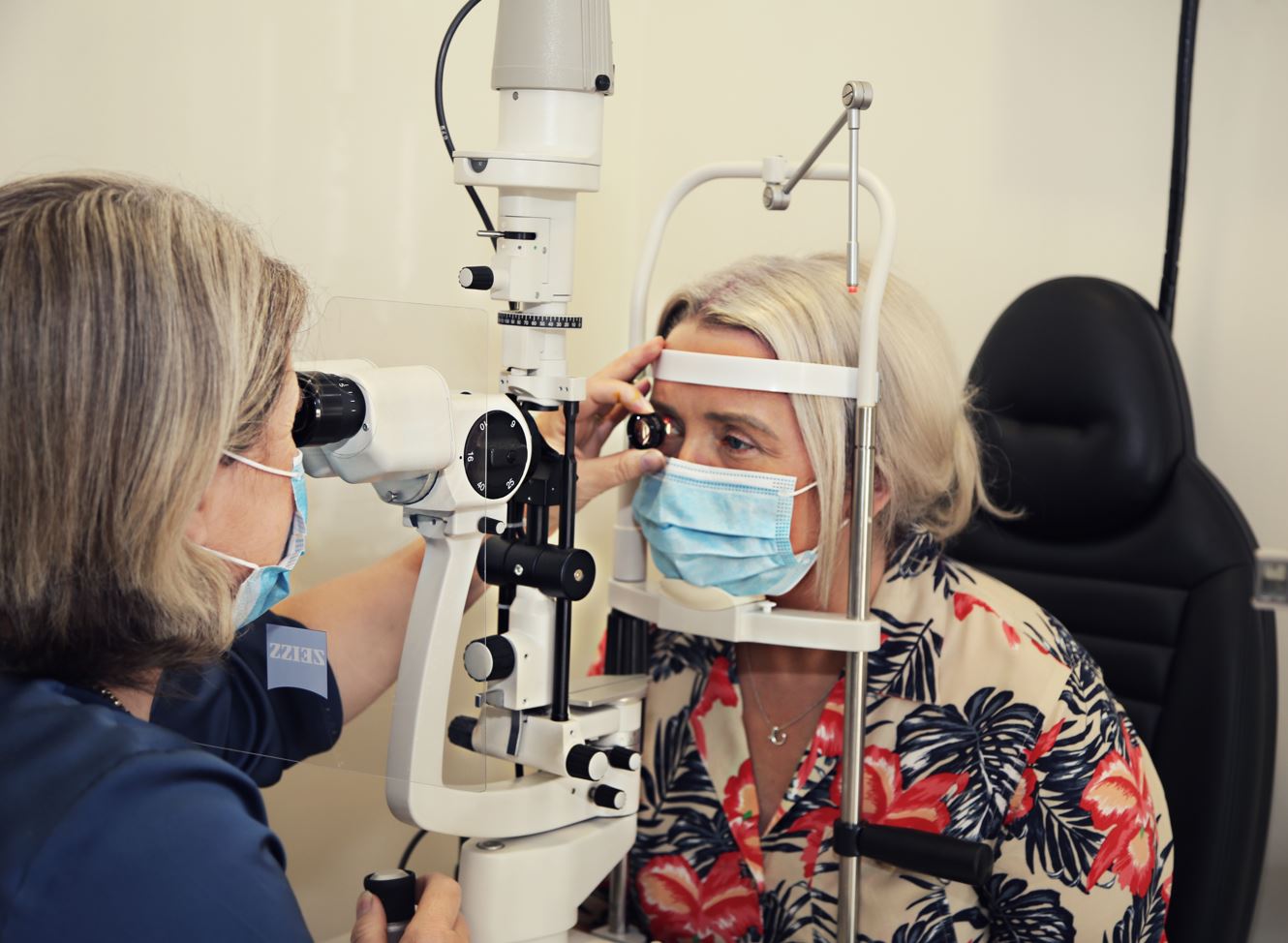
The most important thing you can do to ensure good recovery from your cataract surgery is to attend each one of your aftercare appointments at your local Optimax clinic. It is at these appointments that the optometrist will check your eyes to assess your healing and confirm that your recovery is going smoothly. The aftercare appointment schedule at Optimax for cataract patients is:
- 1-2 days after surgery
- 7-10 days after surgery
- 4-6 weeks after surgery
- 3-6 months after surgery (discharge at your final appointment, if both you and the optometrist are satisfied with your vision and recovery)
2. Do not rub your eyes
After surgery, you may find that your eyes feel a little dry and uncomfortable. This is a natural reaction to cataract surgery as the surgeon made an incision in your eye through which they implanted the lens. If your eyes feel dry and itchy after surgery, make sure you use the eye drops you were provided with by your treating clinic. This helps the healing process and should also relieve irritation. Rubbing your eyes might irritate the incision in your eye and prevent it from healing as well as it should.
3. Avoid strenuous exercise
You should avoid strenuous exercise for around a month after cataract surgery. This is because, with vigorous exercise like running, cycling and weight lifting, the pressure in your eye increases. This raised pressure can affect the healing process, which is the last thing you need when the small incisions in your eye are trying to heal. Rest at home for the first few days and then, if you feel yourself going a little stir-crazy, you can go for walks to continue light exercise.
4. Wear eye shields for one week
After your cataract surgery, you need to be particularly careful when touching your eyes – and that’s especially true for the first week. We would recommend that you do not touch your eyes at all while they’re healing and that you wear eye shields at night for the first week. In the night, either whilst asleep or in a half awake state, you might accidentally rub or touch your eyes and irritate them. Even something as simple as facing down on your pillow without protecting your eye could affect the healing process as it puts extra pressure on the eye. Your Optimax clinic will provide you with eye shields to wear at night for the first seven days to avoid this.
5. Avoid water in your eyes
Our final crucial tip for smooth cataract surgery recovery is to avoid getting water in your eyes for the first week after treatment. This is because water can contain bacteria – not the mention your bath and shower water mixed with soap and shampoo – which is bad for your eyes while they’re healing. Not only are your eyes more prone to infections after cataract surgery while they heal, but getting water in your eyes is likely to sting due to the incision. We would suggest washing your hair whilst leaning back in the shower, or having a bath but keeping your head above the water.
Frequently asked questions about cataract surgery
How long does the procedure take?
The actual cataract surgery usually takes around 10 minutes to perform per eye, although you may be in the treatment room for around half an hour. You should also be prepared to be in the clinic for up to four hours on the day of surgery, which involves preparation time, a talk with the surgeon, and a chance for your patient advisor to explain all your post-op medication in depth.
Can I have both eyes treated at the same time?
Yes, this is what we usually do as, if you have cataracts in both eyes but only have one eye treated, you may experience issues with depth perception while you wait for your second eye to be treated. On the day of cataract surgery, we clean the theatre thoroughly between the treatment of each eye to minimise the risk of infection.
When can I drive again?
This varies from patient to patient and you can only drive once you have been signed off by the optometrist at one of your aftercare appointments. Most patients find that their vision is significantly better after just 24 hours, but it may be at your 7-10 day post-surgery appointment that you are cleared to drive. This depends on your recovery and healing of the eyes.
Are there any potential complications?
Complications during or after a cataract eye surgery are rare. However, no surgery is 100% risk free, and complications can and do occur. Although low, there is an unavoidable risk of infection which occurs in 1 in 5,000 patients. The use of full sterile theatre conditions minimises this risk as much as possible. You will also be checked for infection at every aftercare consultation. Please read the Aftercare Advice Leaflet for important information and check the Agreement and Consent Form, both provided on treatment day, for a full list of possible complications. The most common complication is Posterior Capsular Opacification, which is easily treated. This condition is treated with a very quick and simple procedure using a YAG laser.
How long is recovery?
Most patients find that their vision improves in the first few days after surgery, but it could take a few months for the eye to heal fully and for vision to settle. We recommend that our patients take 3-5 days off work after cataract surgery to rest at home.
How safe is cataract surgery?
99.8% of our lens procedures at Optimax were routine with no complications on the day of surgery. Cataract surgery is one of the most commonly performed elective surgeries worldwide, with over 450,000 procedures performed in England and Wales each year alone. All of our surgeons at Optimax are NHS consultation level surgeons, so you can rest assured you’re in safe hands.
What symptoms do people have after cataract surgery?
After your cataract surgery, it’s normal to feel a bit of discomfort as the eye heals. Due to the incision made in your eye to insert the new lens, you may experience a scratchy sensation or dry eyes. Your eye will also naturally be a little swollen following the cataract surgery, so you may find that your vision is a little temporarily blurry and that you’re more light sensitive than usual. For this reason, we advise our patients to bring sunglasses to their surgery appointment and to wear them for the first few days of recovery.

