
How does driving at night affect your vision?
What are signs that you are struggling with night vision?
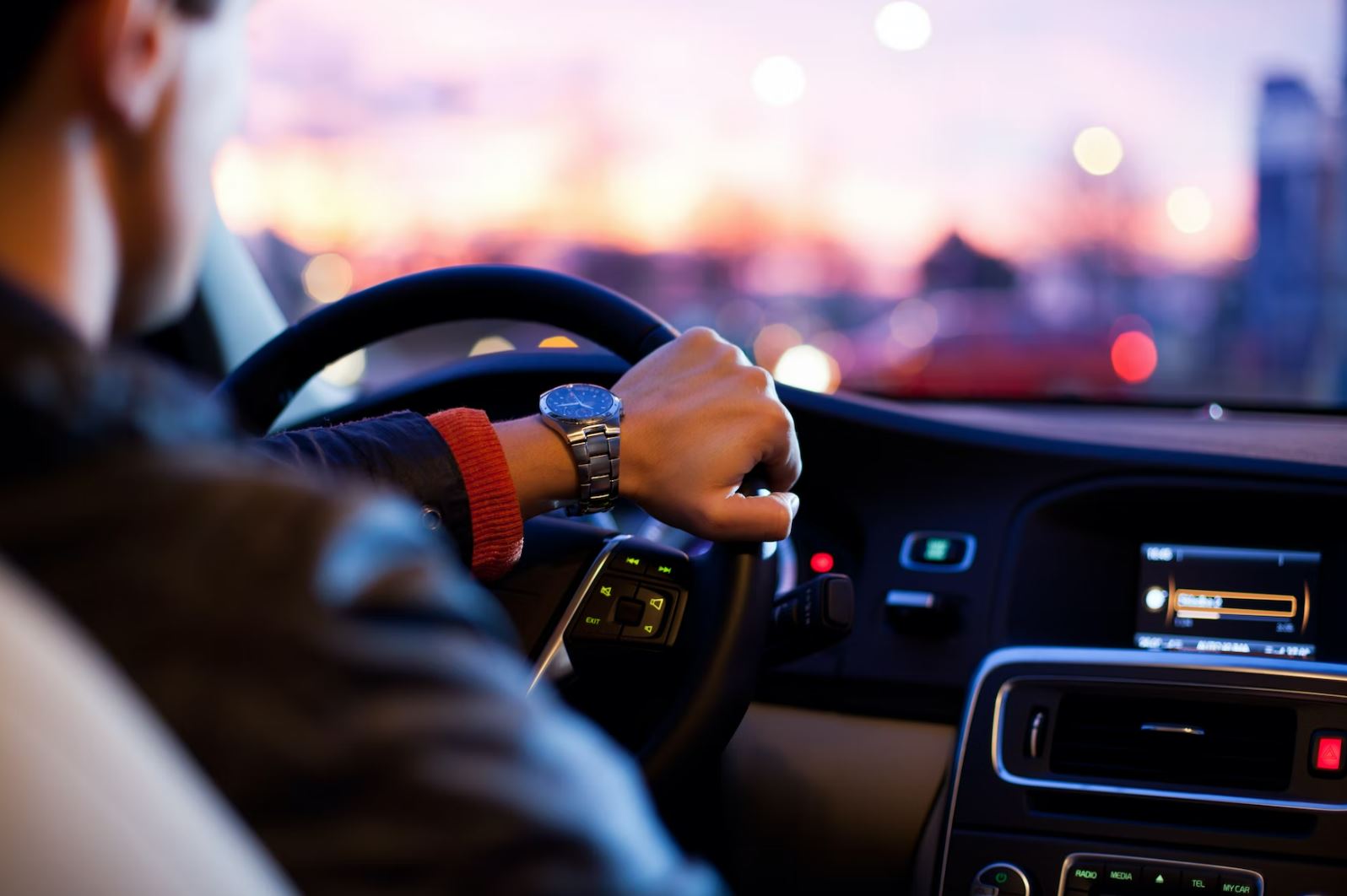
Driving at night isn’t the most popular evening activity with a huge 31% of British drivers refusing to get behind the wheel after dark. In fact, over 50% of people have admitted that they struggle to see well after dark, which suggests that perhaps they shouldn’t be driving at all – even if they don’t object to it. There is clearly much to be done in the areas of educating motorists on how to improve their vision in the dark, so they feel more comfortable and are safer when driving in the dark.
Some of the most common indications that you are struggling with your night vision are:
- Trouble seeing street signs clearly
- Difficulty adjusting vision after seeing oncoming headlights
- Finding it harder to judge distance and speed
- Needing to squint to focus your vision
- Feeling eye strain when staring at the road ahead for long periods
If you experience any of these symptoms, it’s important that you visit your optician for an eye test. You should be going every two years as a minimum anyway, in order to monitor your eye health and quickly detect any changes to your eyes or vision. However, it is especially crucial to seek medical advice if you struggle with driving at night, and even more so if your symptoms are worsening.
What is astigmatism?
Astigmatism makes driving in dark conditions even more difficult. It is a visual condition that causes blurry vision due to the shape of the eye. People with standard vision have eyes shaped more like footballs, while those with astigmatism tend to have eyes shaped closer to that of a rugby ball. Astigmatism occurs because either the cornea (eye’s surface) or the lens (inside the eye) is curved unevenly, stopping light from refracting properly on the retina. This results in blurred or distorted vision, although it can be corrected with glasses, contact lenses, or laser eye surgery. We also offer several advanced lens replacement and implantable contact lens surgeries which can correct astigmatism with specialised toric lenses.
People with astigmatism typically experience more glare and distortion from lights, made even worse in dark environments. This can understandably make driving in the dark particularly difficult, especially when it comes to dealing with oncoming headlights and streetlamps lining the road. As you age, your eyes take longer to adjust to different lighting levels, resulting in light sensitivity and problems with focusing.
What is night blindness?
Night blindness, which is also called nyctalopia, is a condition whereby your eyes are unable to adapt to low-light conditions. The retina, which is at the back of your eye, has two different types of photoreceptor cells to help you see. These are called rods and cones: rods are responsible for facilitating your night vision, while cones help your vision in bright light. Night blindness usually occurs as a result of issues with your rod cells, and occurs more commonly in people who are severely short-sighted (myopic). Night blindness is also more common in people who have a vitamin A deficiency. Vitamin A is needed for good eye health and is crucial when it comes to processing images as it transforms nerve impulses into images in the retina. You can learn more about night blindness by checking out our dedicated blog post covering the topic.
How to ensure you’re driving safely at night
A huge 43% of drivers in Britain have admitted that their view has been a bit blurry when driving in the dark and, on top of that, 73% of drivers have experienced discomfort from glaring oncoming headlights. It’s no wonder that large numbers of people are reluctant to drive in the dark. So, what can you do to ensure that you’re driving safely at night?
Firstly, making sure you’ve got the right eyewear is important. If it’s a bright day, sunglasses are an obvious essential to help combat the glare. If you wear glasses, you can also invest in glasses with an anti-glare coating to prevent the glare from affecting your vision whilst driving. Another factor which can contribute to increased light sensitivity is the presence of a cataract. These form naturally with age and can be detected at a routine eye test with your optician. Treatment for cataract removal is a simple procedure, carried out millions of times globally each year. As well as causing increased light sensitivity, cataracts lead to blurred and cloudy vision, further impairing your vision while driving.
Increase your vitamin A intake with foods rich in nutrients to improve your overall eye health. Your body converts beta carotene into vitamin A, which is typically found in orange coloured foods like pumpkins, sweet potatoes and carrots. Vitamin A aids with the production of rod and cone cells in your retina, promoting better vision in low lighting. On top of this, it also minimises your risk of developing AMD, cataracts and glaucoma. Keeping on top of your overall health is also crucial to keep your eyes healthy, and this involves monitoring and, if needed, managing your blood pressure and blood sugar levels.
Some practical car-related advice to promote driving safely in the dark centres around cleaning your windscreen. You should remove the build-up of dirt and grime which can affect your view more than you realise. Dimming your dashboard lights to minimise the light contrast is also a good idea, and prevents you from being dazzled and struggling to adjust your vision back to a dark environment after glancing at it.
Studies have shown that road traffic accidents increase by 11% in the two week period after the clocks go back, when compared to the two weeks before. This highlights just how much dark conditions detract from people’s ability to see well and drive safely, further illustrating the importance of you following the above tips on monitoring and improving your night vision.
Improve your vision with corrective surgery
To ditch the glasses completely, have you considered treatments such as laser eye surgery or lens surgery? Over 98% of our patients achieve unaided driving standard vision after their surgery with us, meaning they can safely drive without having to rely on glasses or contact lenses. Discover more about our different types of refractive surgery which are available in 19 nationwide clinics:
Our Customer Advisors are more than happy to give your further information on our vision correction options. Simply call us on 0800 093 1110, email enquiry@optimax.co.uk, or request your free info pack to learn more.

